
Santa Marta
Positive steps forward to help the transition away from fossil fuels.

At the end of Cop30 last year in Belem, the final text was depressingly hamstrung by oil producing nations refusing to endorse a "roadmap” away from fossil fuels. 6 Months later, 57 nations of those countries willing to embrace such a thing (including the UK, thankfully) have just met in Santa Marta, Columbia. These nations of the willing represent about a third of the world economy (Carbon Brief).
Controversially, the hosts - Columbia and Netherlands - did not invite participation from China, Russia, Gulf states and the US. Not surprisingly, the tone of the conference was apparently “refreshing”, “highly successful” and “groundbreaking”. We are told not to read too much into that, but it's fairly obvious we can't give petrostates a seat at the table and ask them to vote against their own economies. A mark against democratic voting and representation, but we don't have time to have the negotiation process jammed up by lobbyists and bully tactics from powerful nations willing to hold everyone else hostage.
The outcome is three workstreams:
- develop national and regional roadmaps for moving away from fossil fuels;
- changes required in the financial system to support the transition;
- changes to move towards a fossil fuel-free trade system.
Great to hear of these tangible and positive steps after such a dismal end to Cop30.
A Personal Note
To recap, average carbon emissions footprint in the UK is about 8 to 9 tons CO2eq per person. To get to carbon neutral, we need to get that down to a global target of 2.
While my personal carbon footprint is below average due to working from home, consumption choices and a plant-based diet - it is no where near the target. I still spend most of my carbon budget heating my very badly insulated home with a natural gas boiler (emitting about 20 tons of CO2eq in 2025 for the household as a whole).
We have a formidable task ahead to stay within our remaining carbon budget of 130gt (for a 50% chance of staying within 1.5% Paris Agreement) before the global carbon budget runs out in 2028 (climatechangetracker.org). After that, there is little hope of staying within 1.5deg and global systems become highly volatile.
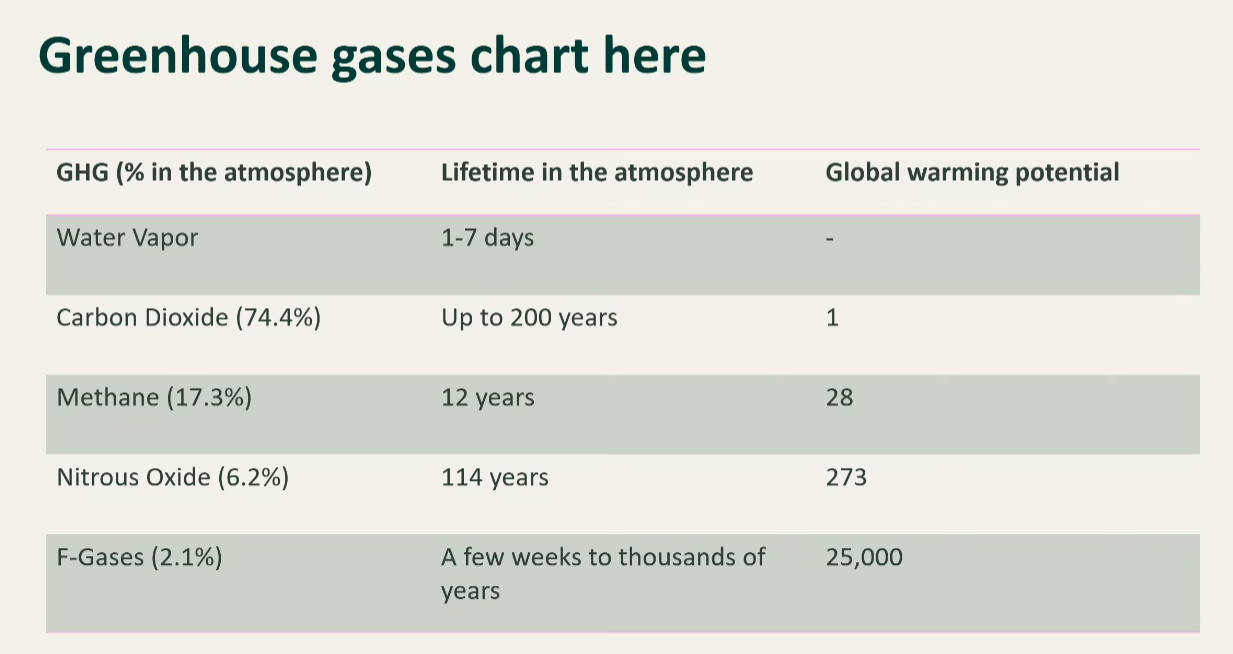
Following a recent and highly enjoyable Carbon Literacy course (conducted by the excellent team at Positive Planet), I learnt many new things. One of which was why carbon is such a focus: it stays in the atmosphere much longer than the other gas emissions types (like methane).
If my actions are my only true belongings and I cannot escape the consequences of my actions - this is an urgent reminder to address the demand and supply for the things and the energy we are consuming today. My choices really are 7 generations deep.